About Rotary Separator
Rotary Separator
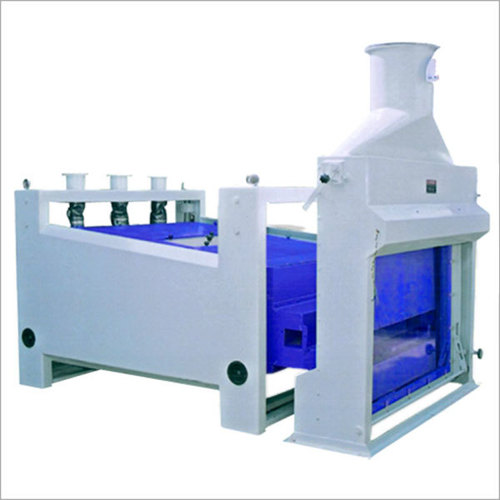
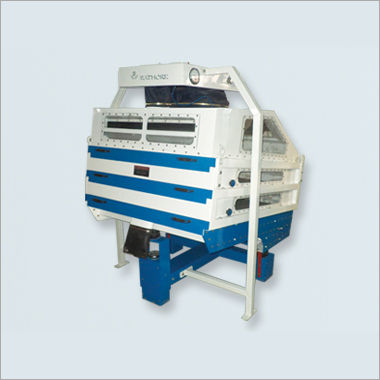
Application: the Rotary Separator Is Widely Used in Pre-cleaning Section in Order to Separate Small Size and Large Size Impurities.
Operation: the Rotary Separator Comprises of a Sieve Box Encompassed in Steel Housing, Suspended Freely and Swinging on Four Sets of Rods. The Rubber Balls Are Used to Clean the Sieve. The Respective Material That Needs to Be Suspended Falls Freely Through the Inlet to Coarse Screen When It Is Used as Intake Separator; the Screen Successfully Separates the Impurities Such as String, Straw and Stone. It Also Removes Impurities Such as Maize and Peas When Used in the Screen Room. Sand and Other Impurities Are Removed Through Separator Second Deck Sieve.
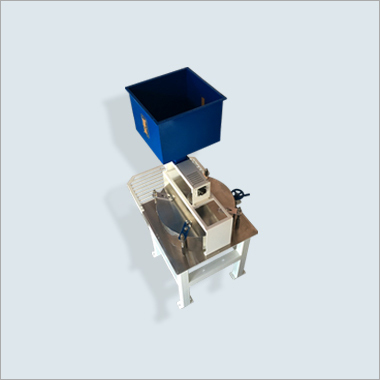
High-Efficiency Wheat SeparationThis manual rotary separator can process up to 15 tonnes of wheat per hour, making it suitable for large-scale operations. Its robust stainless steel build ensures longevity and easy cleaning, while the table-top installation simplifies integration into existing processing lines without requiring extensive modifications.
Optimized for Grain ProcessingEngineered specifically for wheat separation, the separator delivers consistent results using a rotary mechanism. The manual control offers precise adjustment, allowing users to match throughput and sorting detail to production needs. It operates efficiently within a power range of 2-5 horsepower and standard industrial voltage.
FAQ's of Rotary Separator:
Q: How is the rotary separator installed and operated?
A: The rotary separator is designed for table-top installation, allowing easy setup in existing grain-processing environments. Operation is manual, enabling users to start, stop, and adjust the machine as needed via its simple control system.
Q: What is the maximum hourly capacity for processing wheat?
A: This separator can process between 5 and 15 tonnes of wheat per hour, making it suitable for medium to large flour mills or grain-handling facilities.
Q: When should routine maintenance be performed on the separator?
A: Routine maintenance is recommended every few months or after intensive usage, focusing on cleaning the rotary mechanism and inspecting the stainless steel parts for wear and tear.
Q: Where can this rotary separator be used?
A: The product is ideal for use in flour mills, grain-processing plants, and any facility dealing with large volumes of wheat. Its table-top design fits easily into both established and new setups across India.
Q: What are the benefits of using a stainless steel rotary separator for wheat?
A: Stainless steel construction provides durability, resistance to corrosion, and easy cleaning, making it a hygienic and long-lasting solution for wheat separation in industrial environments.
Q: How is wheat separated using this rotary separator?
A: Wheat is loaded from the top, and the rotary action segregates kernels based on defined parameters, ensuring uniform output and reducing manual labor in the separation process.






 Send Inquiry


 Send Inquiry